





Jute Rugs: The Complete Guide
What are jute rugs? They are rugs made from jute, a natural plant fibre taken from the stalk of the Corchorus plant, spun into yarn and then woven or braided. Jute comes up a lot once you start looking at natural-fibre rugs, usually described as "the golden fibre" and usually pictured in a bright, sunlit room. There's a reason for that, and there's also a fair bit that gets left out. This guide covers where the material comes from, what living with a jute rug is like, and where it does and doesn't belong in a home.

What is a jute rug, really?
Jute grows in the humid, tropical belt of South Asia, with India and Bangladesh the largest growers.
Once harvested, the fibre is spun into yarn, then woven or braided into a rug. Two constructions are the most common: a flatweave, which is low and tight, and a braided weave, where thick cords of jute are coiled and stitched together. Loop and chunky constructions add more surface texture. Each feels and looks different underfoot, which is why it helps to know which one suits which room.
Which jute construction suits which room?
Our jute collection includes all four constructions, and each behaves differently in a home:
- Flatweave: a low, tight surface. It sits flat under furniture and door edges and is the easiest of the four to vacuum, so it suits dining areas and hallways.
- Braided: thick cords coiled and stitched together. The surface has more relief and a handmade look, which suits living rooms and bedrooms.
- Loop: a looped surface that adds texture. Claws can catch on loops, so think twice about it in a home with cats or dogs.
- Chunky: heavier cords and the deepest texture. It works as a statement piece under a sofa or coffee table.
Why people choose jute
Three reasons come up again and again with buyers, and each one holds up to scrutiny.
It's a natural, renewable material. Jute is a fast-growing plant. When a jute rug eventually wears out, it breaks down, so it doesn't sit in a landfill for decades the way a synthetic rug does.
It typically costs less than a wool rug of the same size. If you want a large, floor-anchoring rug and a wool piece is outside the budget, jute gets you there.
It reads as neutral and warm at the same time. Jute's natural, undyed tones, from pale wheat to deeper amber, sit comfortably against almost any wall colour, wood tone or existing furniture. Overdyed jute adds colour while keeping the natural texture.
How jute compares to other natural fibres
Jute isn't the only natural-fibre option, and it isn't always the right one. Sisal is the harder-wearing fibre. It holds up better in an entryway or on a stair, but it is coarser to walk on barefoot. Jute is finer and softer underfoot and takes dye well, which is why you'll find overdyed jute rugs but far fewer overdyed sisal ones. We set the two side by side, feel, wear, colour, moisture and best rooms, in our full jute vs sisal comparison, and on our jute rugs collection page.
Living with a jute rug: the basics
Jute asks for a bit more attention than a synthetic rug, but nothing complicated. Three habits matter:
- Vacuum with suction only. Switch off any rotating beater bar, which can fray the fibres.
- Blot spills at once rather than scrubbing them.
- Keep the rug away from water. Jute absorbs it, and a wet jute rug can stain brown, warp and grow mould. If one does get wet, blot it and dry it completely with air moving over both sides.
New jute rugs also shed more in the first few weeks as loose fibres from the weaving process work their way out. That's normal, and it settles down. For the full routine, see our cleaning and care guide, and for what to expect from shedding specifically, our shedding guide.
Where jute works best in the home
Jute handles normal household foot traffic well, in a living room, a bedroom or a dining area. It is not the fibre we'd recommend for an entryway that takes wet shoes and grit every day, or for a stair. There, sisal wears harder. A rug pad and a rotation every six months slow wear in any room. See our full high-traffic durability guide and living room guide for more.
If you like the softened, open feel of a round rug, especially under a round dining table, jute comes in round shapes too. Use the shape filter on the collection page to see the round jute rugs currently available, or see our round jute rugs guide for sizing and styling. For a dining table, pick a diameter at least 4 feet wider than the table so chairs stay on the rug when pulled out.
Sizing
Every jute rug in our collection is listed at its own exact size in feet and inches, so measure your room first. A few rules of thumb:
- Living room: the rug should be large enough for at least the front legs of every sofa and chair to rest on it.
- Dining room: extend the rug at least 2 feet (60 cm) past the table on every side.
- Bedroom: extend the rug at least 2 feet (60 cm) beyond each side of the bed.
- Hallway: choose a runner that leaves a few inches of floor showing on each side.
For a full room-by-room breakdown by exact size, see our jute rug size guide.
Can jute rugs go outdoors?
You'll see conflicting advice on this. Some sources say round jute rugs are fine indoors or out. Others say jute shouldn't touch a damp surface at all. The second group is right. Jute is highly absorbent, and rain, damp ground or a humid porch will make it warp, brown and eventually grow mould. We recommend keeping jute indoors. If you want a rug for a true outdoor space, jute is the wrong material, whatever a listing says.
Frequently asked questions
What are jute rugs?
Jute rugs are made from jute, a natural plant fibre taken from the stalk of the Corchorus plant, spun into yarn and then woven or braided. Our jute collection includes flatweave, braided, loop and chunky constructions, in natural and overdyed colours.
Are jute rugs soft?
Softer than sisal, which is coarser and stiffer underfoot. Jute has a natural, textured feel rather than a plush pile, and the feel changes with construction: flatweave is smooth and tight, while braided and chunky have more surface texture.
Are jute rugs good for high-traffic areas?
For normal household traffic, yes: a living room, a bedroom or a dining area. We wouldn't choose jute for an entryway that takes wet shoes and grit every day, or for a stair. Sisal wears harder there. A rug pad and turning the rug every six months slow wear in any room.
Do jute rugs shed?
Yes, especially when new. Loose fibres from the weaving process work their way out over the first few weeks, and then it settles down. Vacuum with suction only, with the beater bar off, so you don't fray the fibres.
Can jute rugs get wet?
They can, but jute absorbs water and doesn't cope well with it. A wet jute rug can stain brown, warp and grow mould. Blot it straight away, dry it completely with air moving over both sides, and keep jute indoors and away from damp rooms.
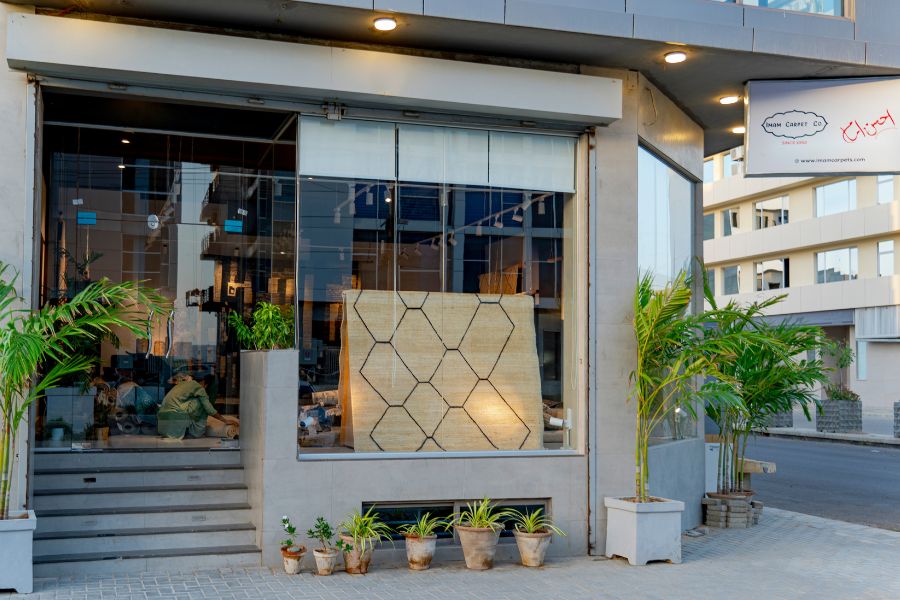
Jute rewards a little patience, the first few weeks of shedding and the occasional careful cleaning, with a rug that is renewable and holds its own in a busy room. Imam Carpets has been making and selling rugs in Pakistan since 1952. To see the jute pieces themselves, browse our jute rugs collection.

Leave a comment